Loading…
Mumbai, Maharashtra
Industrial solar installation in Mumbai
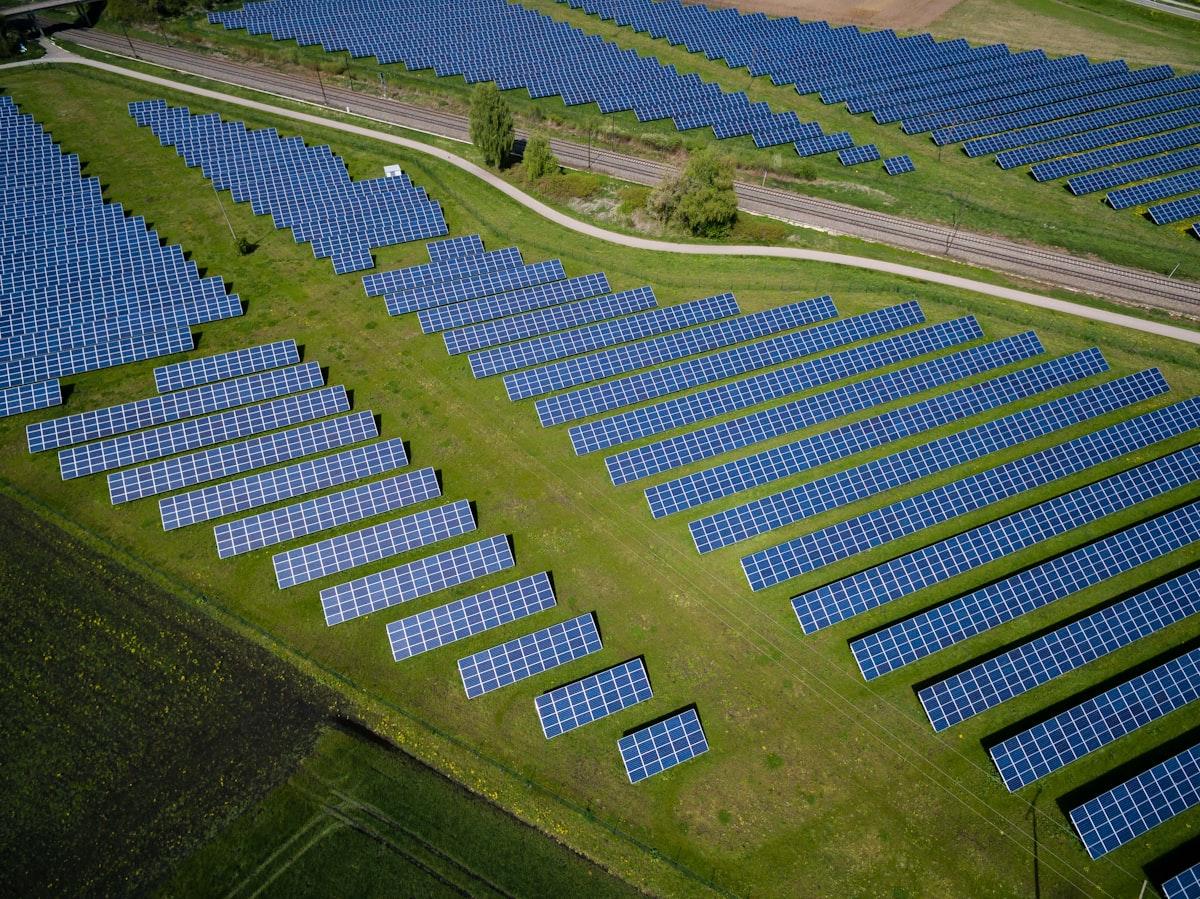
Two 150 kW industrial rooftops delivered in the city — Sky Enterprises and Everrich Masala.
2
Projects in Mumbai
300 kW
Delivered here
Multiple licensees
Distribution utility
Our Mumbai work has been industrial — two 150 kW factory rooftops. Space is the defining constraint in the city: roof area is scarce and expensive, which pushes the design toward getting the most generation out of every available square metre rather than simply adding panels.
The other complication is administrative. Mumbai has multiple distribution licensees rather than one, so two factories a few kilometres apart can face different net metering processes. Establishing which licensee supplies the site is the first thing we check.
What matters when installing in Mumbai
Several distribution licensees
Adani Electricity, Tata Power, BEST and MSEDCL each serve different areas. The net metering route follows whichever supplies your site.
Constrained roof area
Scarce roof space favours higher-efficiency modules — more generation per square metre justifies a higher cost per panel here in a way it would not on an open industrial site.
Coastal and humid
Salt air and humidity require corrosion-resistant mounting and careful termination, as in coastal Kerala.
Heavy monsoon
Mounting and waterproofing have to cope with intense seasonal rain, and generation should be modelled on annual rather than peak output.
Net metering with Multiple licensees
Adani Electricity, Tata Power, BEST and MSEDCL
Unlike most Indian cities, Mumbai is served by several distribution licensees depending on the area. Which one supplies your site determines the net metering route, so establishing that is the first step.
How net metering works, step by stepWhat we have installed in Mumbai
Services available in Mumbai
Solar in Mumbai — common questions
It depends on your address. Adani Electricity, Tata Power, BEST and MSEDCL all serve parts of the city and surrounding region, and each runs its own process. We confirm which applies to your site before designing.
It constrains how much you can generate, but it changes the design rather than ruling it out. Where area is scarce, higher-efficiency modules earn their extra cost by producing more from the same roof.
Thinking about solar in Mumbai?
Send a recent electricity bill and we will size a system for your roof and handle the utility paperwork.